Nityaasha pursues its vision and conducts its programmes with a close-knit team of Project Director, Medical Social Workers, Pharmacist, office staff, and of course, the Managing Committee, to help and support underprivileged children battling Type 1 Diabetes.
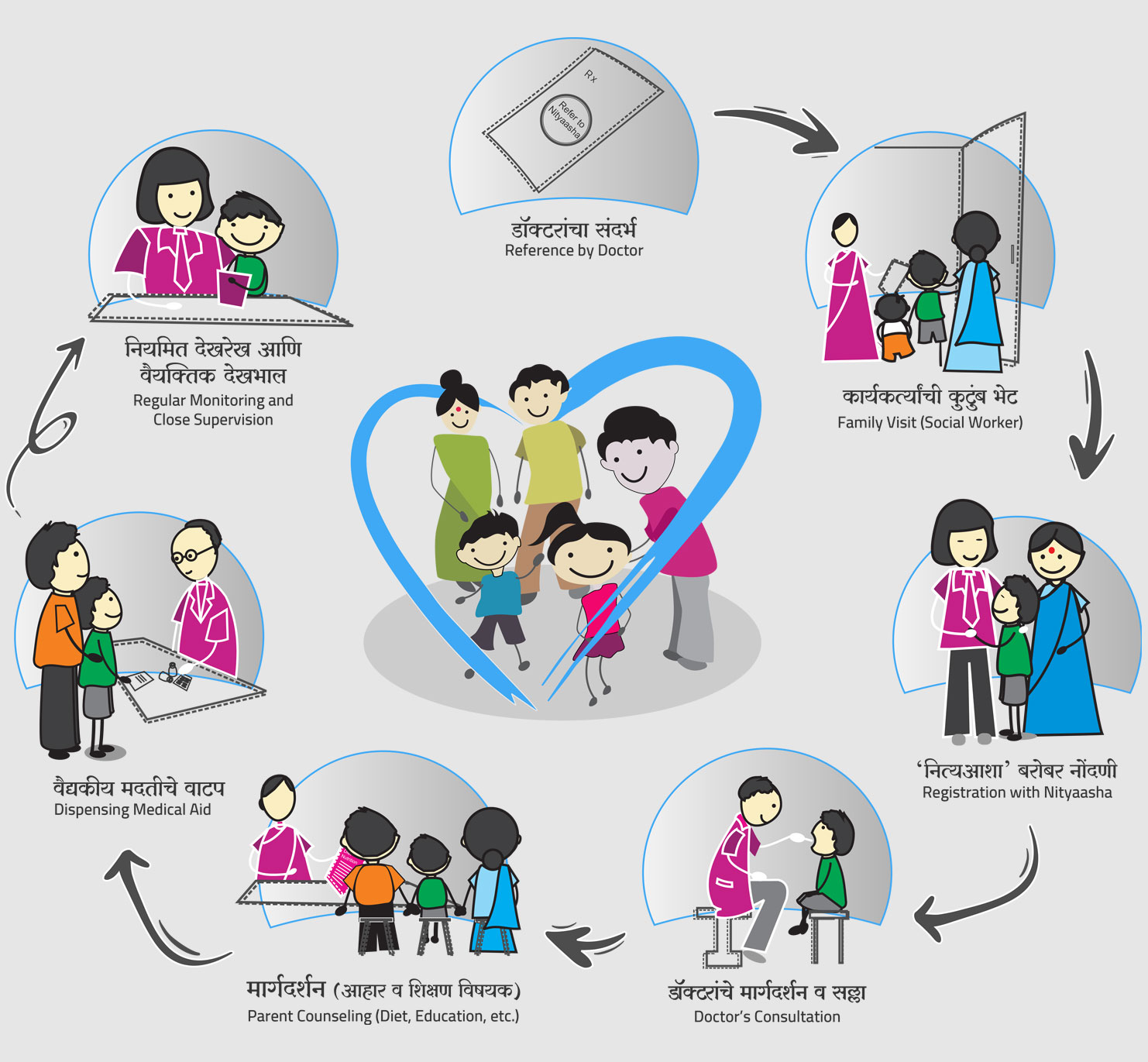
Nityaasha Foundation has put in pioneering efforts not only to address the medical aspect of the disorder but has created a reformative eco-structure around the child to ensure holistic, medical and social development.
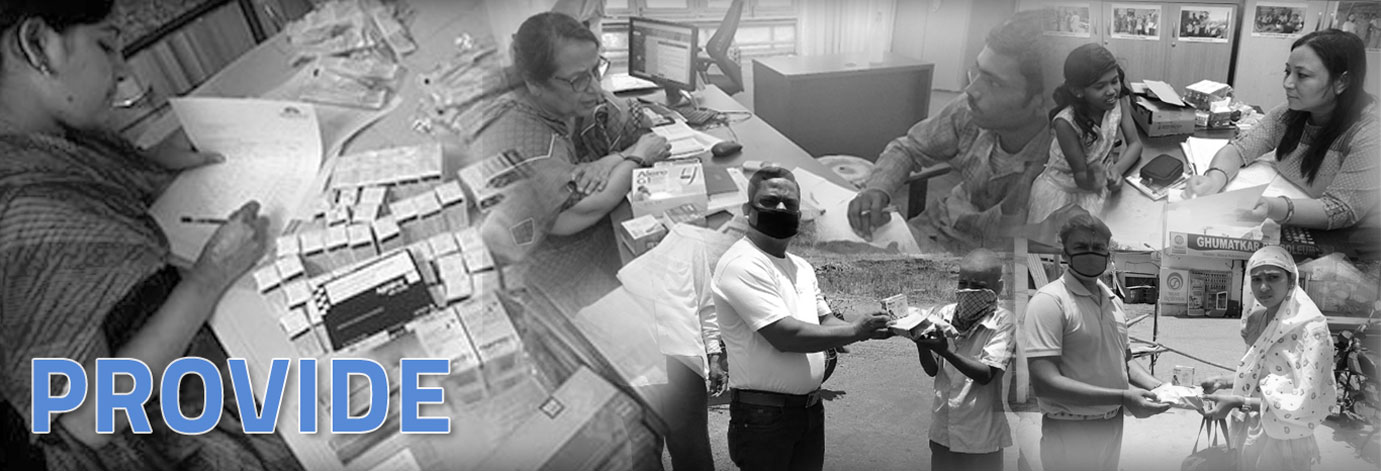
Through home and centre visits, Nityaasha Foundation provides free medical aid to the Type 1 Diabetic children – insulin, lancets, strips, syringes, glucometers, etc.
We also fund regular Pathology tests to monitor the patients’ glycemic control and for early detection of any diabetic complication, and organise annual eye screening as these children are at a risk of eye damage due to diabetic retinopathy.
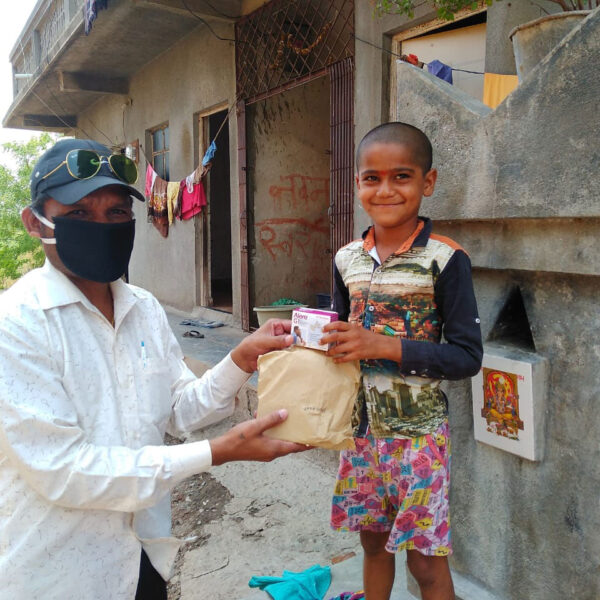
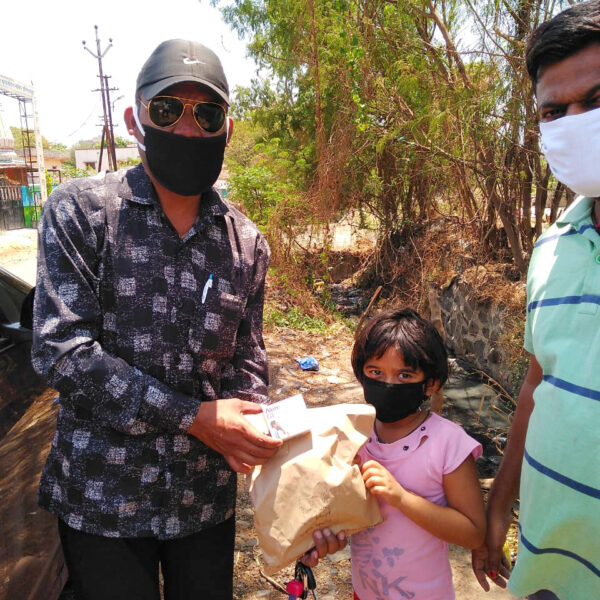
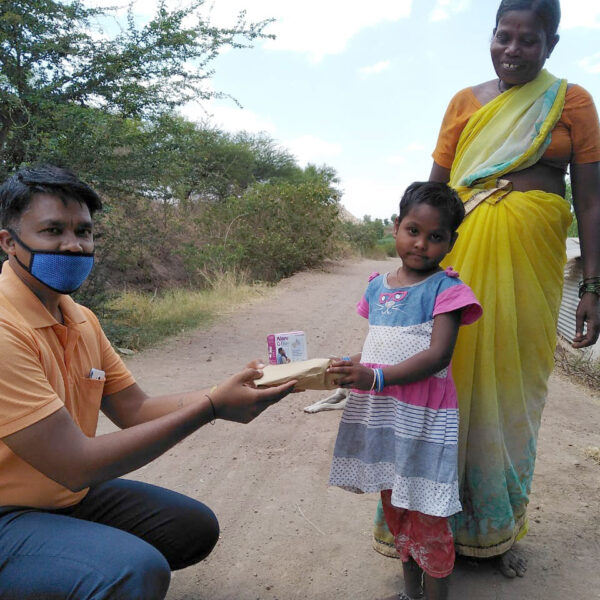
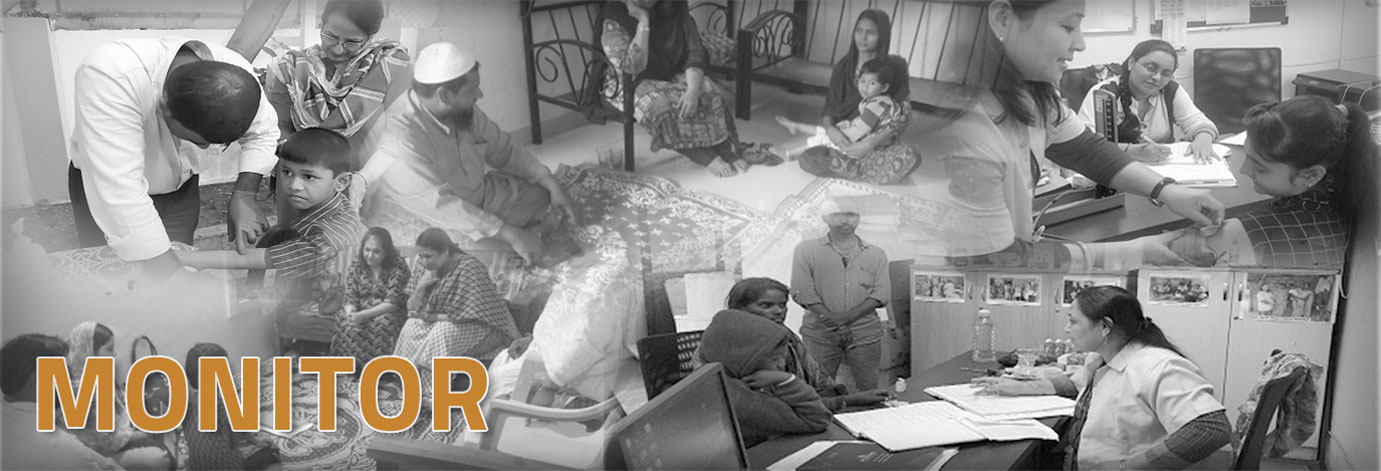
We monitor the child’s health on a continuous basis through follow-up calls and home visits. Through these calls and visits, we build rapport with the families, reiterate our support for the child, and give them the much-needed moral support and confidence to lead a normal life.
These sessions are also used to spread awareness about the disorder – in the family and the eco-structure around the child.
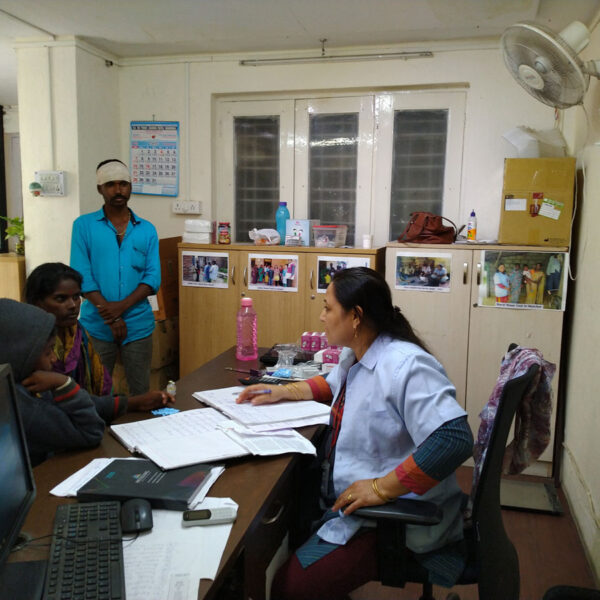
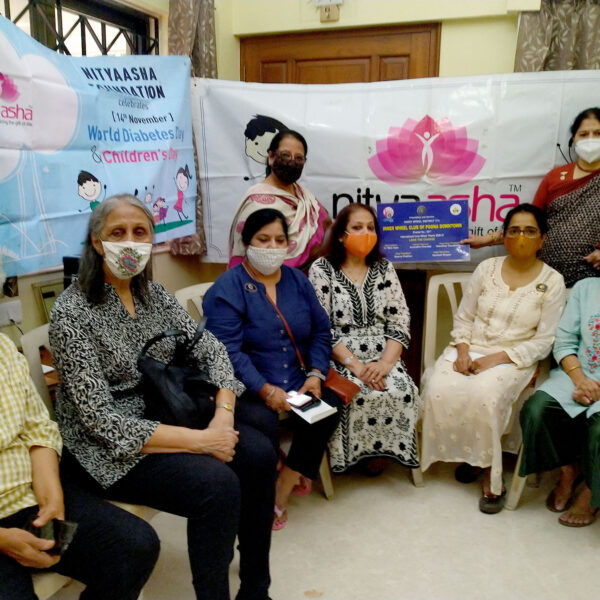
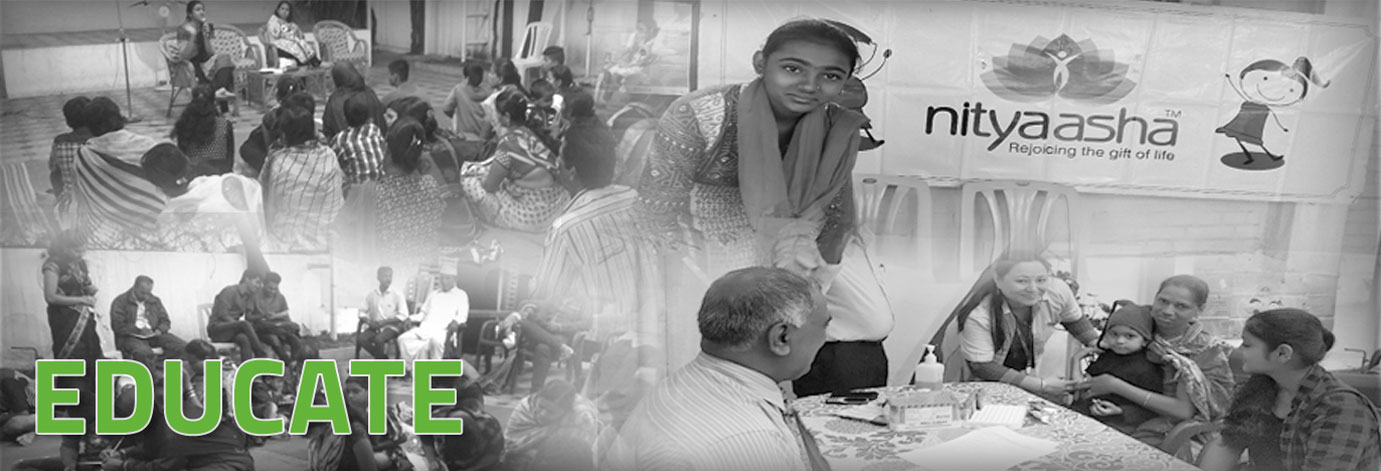
During home and centre visits, we educate, counsel & motivate the children and the eco structure around them to deal with this disorder. Some of the crucial topics covered include diet counselling; management of Type 1 Diabetes and possible emergencies; Self Blood Glucose Monitoring (SBGM) and how to maintain a diary to record the sugar levels;.socio-psycho counselling.
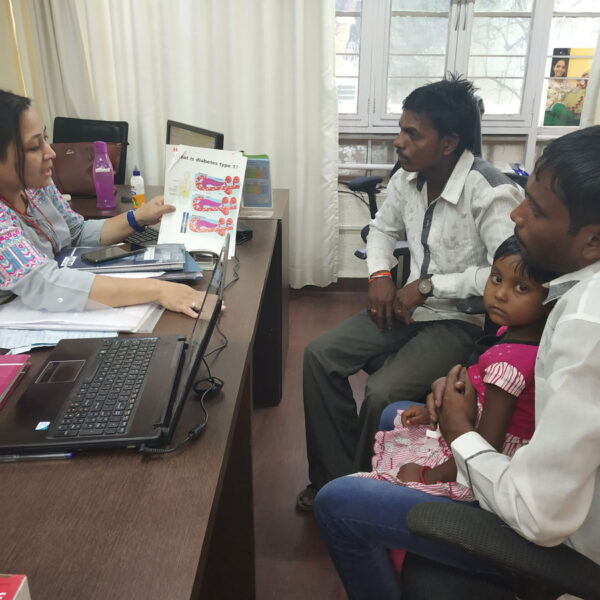
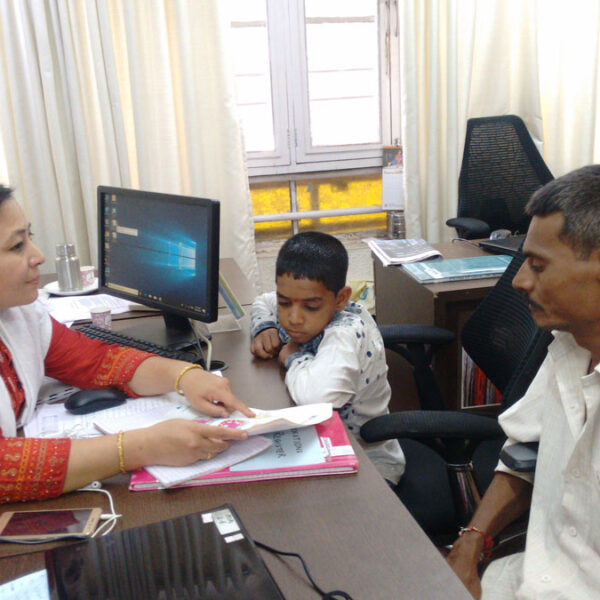
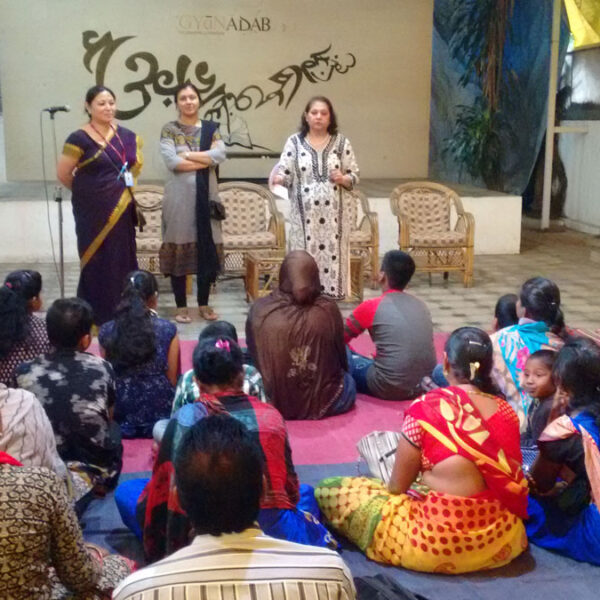
During home and centre visits, we educate, counsel & motivate the children and the eco structure around them to deal with this disorder. Some of the crucial topics covered include diet counselling; management of Type 1 Diabetes and possible emergencies; Self Blood Glucose Monitoring (SBGM) and how to maintain a diary to record the sugar levels;.socio-psycho counselling.
There are two major types of diabetes – Type1 and 2. In Type 1 diabetes, a person’s pancreas produces little or no insulin because the body’s own immune system attacks and destroys the insulin producing cells in the pancreas. A person with this type of diabetes depends upon one to several injections per day or a continuous infusion through a pump. In Type 2 diabetes, the pancreas produces little insulin or insulin that is not efficiently used by the body. Treatment for this type includes lifestyle management (diet and exercise) along with oral drugs or insulin injections. Type 2 diabetes is usually seen amongst adults whereas Type 1 diabetes is common amongst children.
The exact cause of Type 1 diabetes is still unknown. Many have speculated that it is a combination of genetic predisposition and environmental factors such as viruses that serve as the catalyst for the disease’s onset.
The symptoms may include one or more of the following:
There is a critical balance between diet, exercise and the insulin doses for a diabetic child. A diabetic child may be on one to several shots of insulin per day or on an insulin pump.
As yet, there is no cure for diabetes. However, diabetes can be treated and controlled. Most people with diabetes manage it well and lead near normal lives.
Yes. Daily injections are necessary to mimic the body’s natural process. You need to take insulins so that all your meals are covered. Hence multiple daily doses are necessary.
Yes, you will have to take injections throughout your life. Diabetes is a chronic disorder and cannot be outgrown. Though the treatment options are improving there is no permanent cure as yet.
No, we cannot prevent the onset of diabetes in a child,though good management of diabetes will help in leading a healthy and near normal life.
Not necessarily. Current research shows only 15 percent of people with Type 1 Diabetes have an affected first-degree relative – a sibling, parent, or offspring. Also, genes account for less than half the risk of developing Type 1 Diabetes. Hence, these findings suggest that there are other factors besides genes that influence the development of diabetes.
Your doctor will ask you to do some laboratory tests to confirm the diagnosis of Type 1 Diabetes which includes CPeptide and others to measure antibodies against insulin.
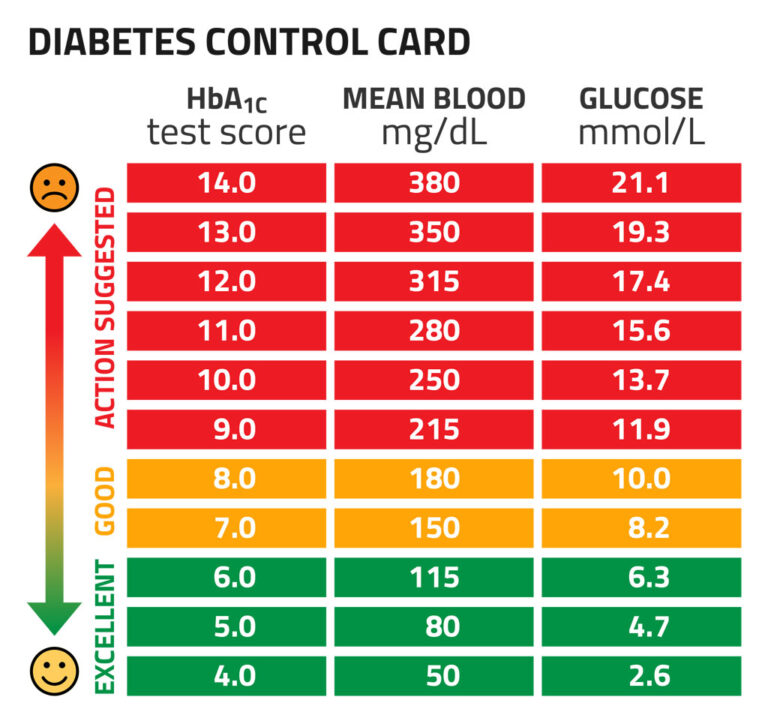
They are age dependent. Your health care provider will help you in understanding the optimal levels for you, but in general, the levels should be:
Before Meals: 70-110 mg/dl
At Bedtime: 100-140 mg/dl
The most commonly used sites are the back of the upper arms, abdomen and outer sides of the thighs.
Follow these two rules for proper site rotation:
Same general location at the same time each day.
Rotate within each injection site.
Check the site for any lumps. There should not be any fat deposition under the skin. If you find any lumps change the site and give some rest to the affected site. You would be able to use it again in some days.
Blood sugar monitoring is very important for children with diabetes. Everyday monitoring helps in deciding the dose of insulin and improving the overall control.
You may at first:
Feel weak
Feel dizzy
Feel hungry
Tremble
Feel shaky
Sweat
Have a pounding heart
Have pale skin
Feel frightened or anxiou
Later symptoms could be:
Yes, you can participate in various sports activity. Just make sure you have had a snack before you start the activity and take a small snack break in between if needed. Keep a hypo kit ready if it may be needed. Swimming must be strictly supervised.
Yes, you can take insulin injections while you are at school under supervision.
Blood travels throughout the body, and when there is too much glucose present in it, it disturbs the normal environment of the body. In turn, the body starts to exhibit signs that things are not working properly. If this problem – caused by a variety of factors – isleft untreated, it can lead to a number of damaging complications involving the heart, eyes, kidney, blood vessels and nerves.
Patients with Type 2 Diabetes may be helped by alternative therapies. As yet, there is no evidence that they help children with Type 1 Diabetes.